A damaged roof can be one of the most expensive problems a homeowner faces. Whether your roof has been damaged by hail, strong winds, a fallen tree, or a severe storm, replacing it can cost thousands of dollars. Fortunately, homeowners insurance may help cover these costs if the damage is caused by a covered event.
“How to get insurance to pay for roof replacement?” The answer is not as simple as calling your insurance company and asking for a new roof. Insurance companies carefully review every claim to determine whether the damage is covered under your policy. They also look at the condition of your roof before the damage occurred and whether proper maintenance has been performed.
The good news is that if your roof has suffered legitimate storm damage or another covered loss, you have a good chance of receiving financial assistance from your insurance company. The key is knowing what your policy covers, documenting the damage correctly, and following the claims process step by step.
In this guide, you’ll learn when homeowners insurance pays for roof replacement, the types of damage that are usually covered, situations where claims are commonly denied, and how to improve your chances of getting your claim approved.
Why Homeowners Insurance Is Important
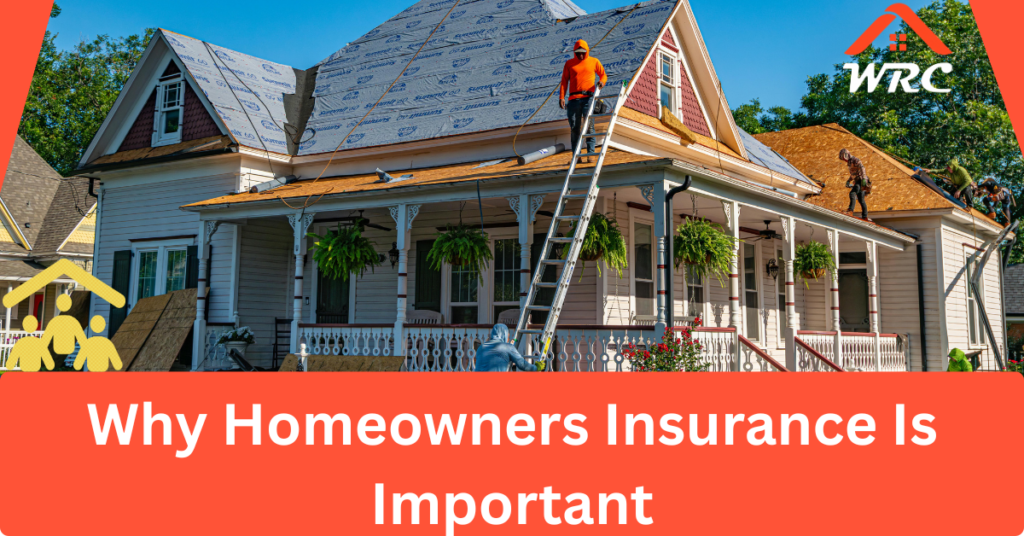
Replacing a roof is a major investment. Depending on the roofing material and the size of your home, a replacement can cost anywhere from several thousand to tens of thousands of dollars.
That is why homeowners insurance exists. It helps protect homeowners from unexpected financial losses caused by sudden events that are outside their control.
However, it is important to understand that homeowners insurance is not a maintenance plan. Insurance companies expect homeowners to maintain their roofs properly. They generally pay for unexpected damage not for problems caused by old age or neglect.
Knowing this difference is the first step toward understanding how roof insurance claims work.
Does Homeowners Insurance Cover Roof Replacement?
The answer is yes but only if the damage is caused by a covered peril.
A covered peril is an unexpected event listed in your insurance policy that causes damage to your property.
Most standard homeowners insurance policies cover roof damage caused by events such as:
- Hailstorms
- Windstorms
- Tornadoes
- Hurricanes (depending on your location and policy)
- Lightning strikes
- Fire
- Fallen trees or large branches
- Vandalism
If one of these events damages your roof, your insurance company may pay for repairs or even a complete roof replacement.
However, if your roof simply becomes old and starts leaking because it has reached the end of its lifespan, your insurance company will usually deny the claim. Insurance companies consider aging roofs a normal part of homeownership.
Before filing any claim, carefully review your insurance policy. Every insurance company offers different coverage limits, deductibles, exclusions, and payment options.
Understanding your policy before an emergency happens can save you time, money, and frustration.
Understanding the Different Types of Roof Insurance Coverage
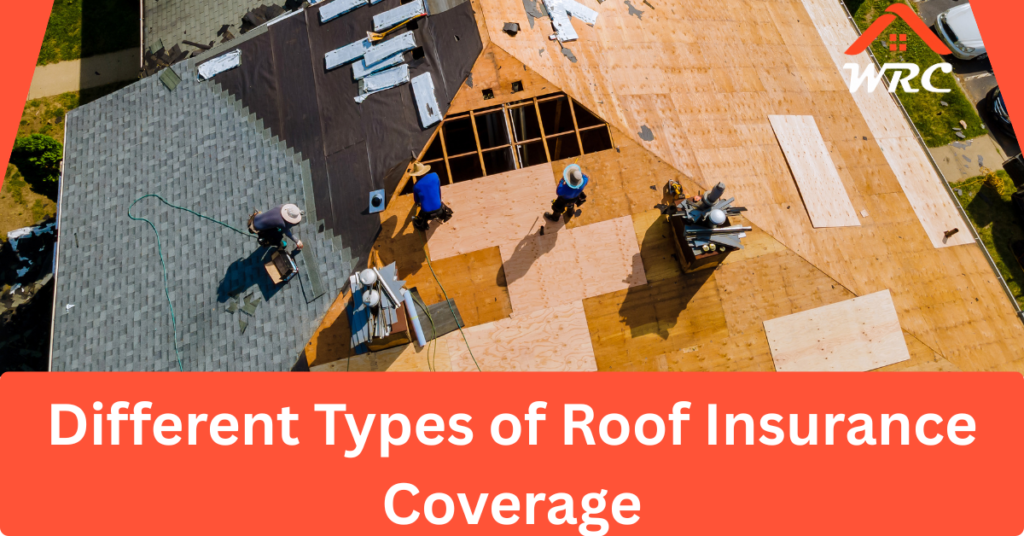
One of the biggest mistakes homeowners make is assuming every insurance policy pays the same amount. In reality, there are different types of roof coverage, and understanding them helps you know what to expect if you ever need to replace your roof.
Actual Cash Value (ACV)
Actual Cash Value coverage pays you based on the current value of your roof after depreciation.
For example, if your roof originally cost $15,000 but has lost value because it is 12 years old, the insurance company may only pay the roof’s depreciated value instead of the full replacement cost.
Although ACV policies often have lower insurance premiums, homeowners usually have to pay a larger portion of the replacement cost themselves.
Replacement Cost Value (RCV)
Replacement Cost Value coverage is generally the better option for homeowners.
Instead of paying the depreciated value, this type of policy helps cover the actual cost of replacing your damaged roof with similar materials.
While these policies usually have higher monthly premiums, they often result in much lower out-of-pocket expenses when a covered claim is approved.
Extended Replacement Cost Coverage
Some insurance companies also offer Extended Replacement Cost coverage.
This optional coverage helps protect homeowners if roofing material prices or labor costs increase unexpectedly after a major storm or natural disaster.
For example, if roofing costs rise by 20% after a widespread hailstorm, extended replacement coverage may help cover those additional expenses.
Although this coverage costs more, it can provide valuable financial protection during large scale disasters.
What Types of Roof Damage Are Usually Covered?
Insurance companies generally approve claims for sudden and accidental damage. Below are the most common situations where homeowners insurance may help pay for roof replacement.
Hail Damage
Hail is one of the most common reasons homeowners file roof insurance claims.
Even small hailstones can crack shingles, loosen protective granules, dent metal roofing, and weaken your roof’s ability to keep water out.
Some hail damage is difficult to see from the ground, which is why a professional roof inspection is often recommended after a severe hailstorm.
Wind Damage
Strong winds can tear shingles from the roof, loosen flashing, damage roof vents, and expose the roof deck underneath.
High winds from thunderstorms, tornadoes, or hurricanes can cause significant roof damage within minutes.
If the damage is caused by a covered wind event, your homeowners insurance may help pay for repairs or replacement.
Storm Damage
Many storms combine wind, hail, heavy rain, and flying debris.
These weather conditions can damage multiple parts of your roofing system at the same time.
After a storm, document all visible damage immediately. Taking photographs before making temporary repairs can strengthen your insurance claim.
Fallen Trees and Branches
Large tree limbs or entire trees may fall onto your roof during severe weather.
Most homeowners insurance policies cover this type of accidental damage if the tree falls because of a covered event.
Some policies also help pay for tree removal, depending on the circumstances.
Fire and Lightning Damage
Fire is another common cause of roof replacement claims.
Whether the fire starts because of lightning, an electrical problem, or another covered event, insurance generally helps cover repair or replacement costs.
Lightning strikes can also damage roofing materials without causing a visible fire, making a professional inspection important after a direct strike.
Vandalism
Although less common, some homeowners insurance policies cover roof damage caused by vandalism or intentional property damage.
Always review your policy to understand exactly what situations are included.
For better understanding check out : How Often Does The Roof Need To Be Replaced: A Complete Guide
Roof Damage That Insurance Usually Does Not Cover
Many roof insurance claims are denied because the damage is not caused by a covered event.
Insurance companies generally do not pay for:
- Normal wear and tear
- Aging roofing materials
- Poor maintenance
- Mold caused by neglected leaks
- Improper roof installation
- Manufacturer defects
- Pest or animal damage
- Cosmetic damage that does not affect roof performance (depending on the policy)
For example, if your asphalt shingles have simply worn out after 25 years, your insurance company will likely consider that a maintenance issue rather than storm damage.
Likewise, if a contractor installed your roof incorrectly, the responsibility usually falls on the contractor or the manufacturer’s warranty—not your homeowners insurance.
Understanding these exclusions helps homeowners avoid filing claims that are unlikely to be approved.
Why Understanding Your Insurance Policy Matters
Every insurance policy is different.
Before filing a claim, take time to understand:
- What events are covered
- Your deductible
- Your coverage limits
- Whether you have Actual Cash Value or Replacement Cost coverage
- Any exclusions that may apply to your roof
Many homeowners also find it helpful to call their insurance agent before filing a claim. Asking questions does not automatically open a claim. Instead, it allows you to understand your options and decide whether filing a claim is the right decision.
The better you understand your policy, the smoother the claims process will be.
How to Get Insurance to Pay for Roof Replacement: Step-by-Step Guide
Now that you understand what homeowners insurance usually covers, it is time to learn the actual claims process. Filing a roof insurance claim may seem confusing at first, but following the correct steps can improve your chances of getting your claim approved.
Step 1: Inspect Your Roof Safely
The first thing you should do after a storm or any event that may have damaged your roof is perform a basic inspection.
Safety should always come first. Never climb onto your roof immediately after severe weather. Wet shingles, loose roofing materials, and hidden structural damage can make the roof dangerous.
Instead, inspect your roof from the ground using binoculars or simply walk around your property. Look for obvious signs of damage such as:
- Missing shingles
- Broken or curled shingles
- Damaged flashing
- Fallen branches
- Pieces of roofing material in your yard
- Bent gutters
- Visible holes in the roof
If you notice any of these problems, avoid making permanent repairs until your insurance company has inspected the damage.
Step 2: Document Every Sign of Damage
Documentation is one of the most important parts of a successful insurance claim.
Use your smartphone or camera to take clear photographs and videos of every damaged area. Capture photos that show the location of the damage.
If possible, document:
- Missing shingles
- Cracked shingles
- Hail dents
- Damaged flashing
- Bent gutters
- Fallen tree branches
- Water stains inside your home
- Ceiling leaks
- Damaged siding
- Broken skylights
Try to record the date of the storm and the date you discovered the damage.
Good documentation helps prove that the damage was caused by a specific event instead of normal wear and tear.
The more evidence you provide, the easier it becomes for your insurance company to evaluate your claim.
Step 3: Review Your Homeowners Insurance Policy
Before contacting your insurance company, spend a few minutes reviewing your homeowners insurance policy.
Understanding your policy will help you know:
- What events are covered
- What your deductible is
- Whether your policy provides Actual Cash Value (ACV) or Replacement Cost Value (RCV)
- Any exclusions that may affect your claim
- The deadline for filing a claim
Many insurance companies require homeowners to report roof damage within a certain time after the event occurs. Waiting too long could result in your claim being denied.
Step 4: Contact Your Insurance Agent
Many homeowners believe that calling their insurance company automatically starts a claim.
In most cases, simply calling your insurance agent does not mean you are filing a claim.
Instead, it gives you the opportunity to explain what happened and ask questions about your coverage.
Your insurance agent can help you understand:
- Whether the damage is likely covered
- What documents you need
- What happens during the claims process
- How much your deductible is
- Whether filing a claim is the best option
This conversation can save you time and help you avoid filing unnecessary claims that could affect your insurance history.
Step 5: File Your Roof Insurance Claim
If your insurance agent confirms that the damage may be covered, the next step is to officially file your claim.
Many insurance companies have deadlines for reporting storm damage. Filing your claim as soon as possible helps show that the damage was caused by the recent event.
When filing your claim, be prepared to provide:
- Your policy number
- The date of the storm or accident
- A description of what happened
- Photos and videos of the damage
- Any emergency repairs you have made to prevent further damage
Be honest and accurate when describing the situation. Never exaggerate the damage or include problems that existed before the storm.
Insurance fraud is a serious offense and can result in claim denial or legal consequences.
Step 6: Schedule an Inspection with the Insurance Adjuster
After your claim has been submitted, your insurance company will assign an insurance adjuster to inspect your roof.
The adjuster’s job is to determine:
- What caused the damage
- Whether the damage is covered
- Whether repairs or full replacement are needed
- How much the insurance company should pay
Be present during the inspection if possible.
Walk around the property with the adjuster and point out every area where you found damage.
Share your photographs, videos, and any notes you took after the storm.
Clear communication can help prevent important damage from being overlooked.
Step 7: Have a Professional Roofing Contractor Inspect the Roof
Although insurance adjusters have experience evaluating property damage, they are not always roofing specialists.
For this reason, many homeowners choose to have an experienced roofing contractor inspect the roof as well.
A qualified roofer can often identify damage that may not be obvious during a quick inspection.
For example, they may discover:
- Hidden hail damage
- Damaged roof decking
- Loose flashing
- Soft spots
- Ventilation issues
- Water damage beneath shingles
Having both the adjuster and roofing contractor review the roof helps ensure that all legitimate damage is properly documented.
Choose a licensed and reputable roofing contractor with experience working on insurance claims.
Avoid hiring contractors who appear immediately after major storms and pressure homeowners into signing contracts on the spot.
Step 8: Understand Your Insurance Estimate
Once the inspection is complete, your insurance company will prepare an estimate.
This document explains:
- The approved repairs
- Replacement costs
- Your deductible
- The amount your insurance company will pay
- Any depreciation that applies to your policy
Read the estimate carefully.
If something appears incorrect or important damage is missing, discuss it with your insurance adjuster before repairs begin.
A reputable roofing contractor can also help you compare the insurance estimate with the actual repair costs.
Step 9: Wait for Claim Approval Before Starting Major Repairs
Many homeowners want to replace their roof immediately after a storm.
While it is important to prevent additional damage by making temporary emergency repairs, avoid beginning a full roof replacement before your insurance claim is approved.
Starting major work too early can create problems.
Some insurance companies require an inspection before approving payment. Others may have specific documentation requirements or approved procedures.
Waiting for claim approval helps ensure that your insurance company has completed its investigation and agreed on the scope of work.
If emergency repairs are necessary to stop active leaks, keep all receipts because your insurance company may reimburse reasonable temporary repair costs.
Step 10: Replace Your Roof
Once your claim has been approved, you can move forward with replacing your roof.
Choose a trusted roofing contractor who is licensed, insured, and experienced.
Before work begins:
- Review the contract carefully.
- Confirm the roofing materials being installed.
- Understand the project timeline.
- Ask about workmanship warranties.
- Keep copies of all invoices and receipts.
After the project is completed, your insurance company will typically issue the final payment according to your policy terms.
If your policy provides Replacement Cost Value coverage, the remaining payment is often released after the work has been completed and proper documentation has been submitted.
Common Mistakes to Avoid During the Claims Process
Even homeowners with legitimate roof damage sometimes experience delays because of avoidable mistakes.
Some of the most common errors include:
- Waiting too long to report the damage.
- Failing to take clear photographs.
- Throwing away damaged roofing materials before inspection.
- Hiring unlicensed contractors.
- Beginning major repairs before the adjuster visits.
- Ignoring small leaks after a storm.
- Not reading the insurance policy.
Avoiding these mistakes can make the claims process much smoother and increase your chances of receiving the compensation you deserve.
Why Roof Insurance Claims Get Denied
Filing a roof insurance claim does not always guarantee approval. Even when homeowners believe they have a valid claim, insurance companies may deny it if they find that the damage is not covered under the policy.
Understanding the most common reasons claims are denied can help you avoid costly mistakes and improve your chances of getting insurance to pay for your roof replacement.
1. Normal Wear and Tear
One of the biggest reasons roof insurance claims are denied is normal aging.
Every roof has a limited lifespan. Asphalt shingles lose their protective granules, flashing becomes worn, and roofing materials naturally weaken over time.
Homeowners insurance is designed to cover sudden and accidental damage, not a roof that has simply reached the end of its life.
If your roof is 25 years old and begins leaking because of age, your insurance company will likely consider it a maintenance issue rather than an insurance claim.
2. Poor Roof Maintenance
Insurance companies expect homeowners to take reasonable care of their property.
If they discover that damaged shingles were ignored for years, gutters were never cleaned, or small leaks were left unrepaired, they may deny your claim because the damage resulted from neglect instead of a covered event.
Regular maintenance not only extends your roof’s lifespan but also strengthens future insurance claims.
3. Filing the Claim Too Late
Most homeowners insurance policies have deadlines for reporting storm damage.
If you wait several months after a hailstorm or windstorm before filing your claim, your insurance company may argue that the damage became worse because it wasn’t addressed promptly.
Reporting damage as soon as possible gives your insurer a better opportunity to verify the cause and assess the condition of your roof.
4. Improper Roof Installation
Even high quality roofing materials cannot perform properly if they are installed incorrectly.
If an insurance investigation finds that poor workmanship caused the damage, the claim may be denied because installation problems are generally the responsibility of the roofing contractor, not the insurance company.
Hiring an experienced and licensed roofing contractor is one of the best ways to avoid this issue.
5. Lack of Evidence
Documentation plays a major role in every roof insurance claim.
If you cannot provide photographs, videos, inspection reports, or other evidence showing when the damage occurred, your insurance company may have difficulty confirming that the damage resulted from a covered event.
The stronger your documentation, the stronger your claim.
What If Your Roof Insurance Claim Is Denied?
Receiving a denial letter can be frustrating, but it does not always mean the process is over.
Many homeowners successfully appeal denied claims after providing additional evidence or requesting another inspection.
The first step is to carefully read the denial letter.
Insurance companies usually explain why they denied the claim. Understanding their reason helps you decide what to do next.
If the denial was caused by missing information, you may be able to submit additional documents or photographs that support your case.
If you believe the adjuster missed important damage, consider scheduling another inspection with a qualified roofing contractor.
Some homeowners also request a second inspection or appeal the decision through their insurance company.
If the disagreement continues, your state may provide mediation or appraisal options to help resolve the dispute without going to court.
The important thing is not to panic. A denied claim does not always mean your roof damage is not legitimate.
Tips to Improve Your Chances of Claim Approval
Although no one can guarantee that an insurance claim will be approved, following a few best practices can greatly improve your chances.
Schedule Regular Roof Inspections
Having your roof professionally inspected every few years creates a record of its condition.
Inspection reports can help prove that your roof was in good shape before a storm caused damage.
Keep Maintenance Records
Save receipts for roof repairs, gutter cleaning, inspections, and maintenance work.
These records demonstrate that you have properly cared for your roof and reduce the chances of your insurance company claiming neglect.
Take Annual Roof Photos
Taking clear photographs of your roof once or twice each year is a simple habit that can make a big difference.
If a storm damages your roof later, you can compare before and after photos to show exactly what changed.
These photos may become valuable evidence during the claims process.
Hire a Reputable Roofing Contractor
Choose a roofing company with good reviews, proper licensing, and insurance.
Avoid contractors who knock on your door immediately after storms and pressure you into signing contracts.
A trustworthy contractor will inspect your roof honestly, explain your options, and provide a detailed estimate without making unrealistic promises.
Read Your Insurance Policy Before You Need It
Many homeowners only read their insurance policy after their roof has been damaged.
Instead, review your policy now.
Understanding your coverage, deductible, and exclusions before an emergency happens will help you make informed decisions when you need to file a claim.
Frequently Asked Questions
Here are some of the most frequently asked questions about “How To Get Insurance To Pay For Roof Replacement”:
Will homeowners insurance pay for a full roof replacement?
Yes, homeowners insurance may pay for a full roof replacement if the damage is caused by a covered event such as hail, wind, fire, or a fallen tree. Coverage depends on the terms of your insurance policy and the condition of your roof before the damage occurred.
Does insurance cover an old roof?
It depends.
Many insurance companies still insure older roofs, but they generally do not cover damage caused by normal aging or wear and tear. If an older roof is damaged by a covered storm, your insurer may still provide coverage based on your policy.
How long do I have to file a roof insurance claim?
Every insurance company has different deadlines.
Many policies require homeowners to report damage within a few weeks or months after the event. Filing your claim as soon as possible is always the safest approach.
Should I repair my roof before filing an insurance claim?
Only make temporary emergency repairs if necessary to prevent additional damage.
Avoid starting a complete roof replacement until your insurance company has inspected the roof and approved your claim.
Can I choose my own roofing contractor?
In many cases, yes.
Most homeowners can choose their preferred roofing contractor, although some insurance companies may recommend contractors they have worked with before.
Always confirm this with your insurance company before signing any contract.
What if my insurance payment is lower than the contractor’s estimate?
Discuss the difference with both your roofing contractor and your insurance adjuster.
Sometimes additional documentation or a revised estimate is enough to resolve the issue.
Final Thoughts
Learning how to get insurance to pay for roof replacement begins with understanding your homeowners insurance policy and knowing what types of roof damage are covered.
If your roof has been damaged by hail, strong winds, fire, or a fallen tree, acting quickly can improve your chances of receiving insurance coverage. Document the damage with clear photos, review your policy, contact your insurance company promptly, and work with a reputable roofing contractor throughout the claims process.
Remember that homeowners insurance is designed to protect you from sudden and unexpected events—not normal roof aging or poor maintenance. Taking care of your roof through regular inspections and timely repairs not only extends its lifespan but also strengthens any future insurance claims.
If your claim is denied, don’t assume it’s the end of the road. Carefully review the reason for the denial, gather additional evidence if needed, and explore the appeals process available through your insurance company.