Even though a roof is built to last for many years, it will not last forever. Over time, it begins to wear out, and if it is not repaired or replaced when needed, it can lead to expensive damage.
Many homeowners ask, “How often does the roof need to be replaced?” The answer depends on several factors, including the type of roofing material, the local climate, how well the roof has been maintained, and the quality of the installation. Some roofs can last as little as 20 years, while others may protect a home for more than 70 years.
Knowing when to replace your roof is important because waiting too long can result in leaks, mold, structural damage, higher energy bills, and costly repairs. On the other hand, replacing a roof too early can cost you money that could have been saved by performing simple maintenance or repairs.
In this guide, you will learn how long different types of roofs usually last, what affects their lifespan, and the warning signs that tell you it may be time for a replacement.
Why Is Your Roof So Important?
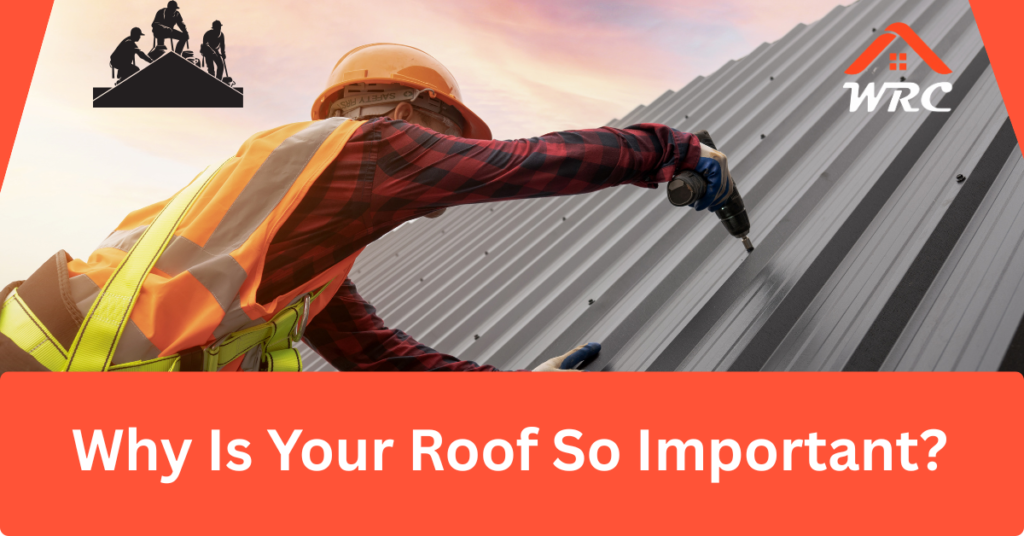
Many people don’t think much about their roof until they notice a leak or missing shingles. However, your roof works every day to protect your home from the elements.
When it rains, your roof keeps water from entering your home. During winter, it helps prevent snow and ice from damaging your attic and ceilings. In the summer, it reflects or absorbs heat depending on its design, helping to keep your home comfortable and energy efficient.
A strong roof also protects the walls, insulation, electrical systems, and foundation of your house. If the roof becomes damaged, water can enter your home and cause wood to rot, insulation to lose its effectiveness, and mold to grow. These problems can become much more expensive than replacing the roof itself.
Your roof also adds value to your home. A well-maintained roof gives buyers confidence that the house has been cared for, while an old or damaged roof can lower your property’s value and make it harder to sell.
Because your roof plays such an important role, regular inspections and timely repairs should always be part of your home maintenance plan.
How Often Does the Roof Need to Be Replaced?
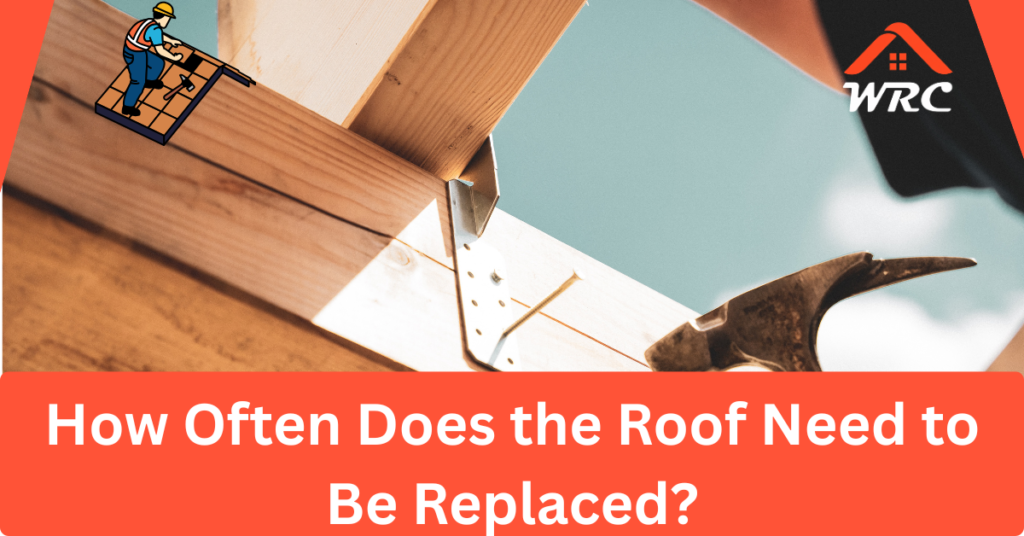
There is no single answer because every roof is different. However, most residential roofs need to be replaced every 20 to 50 years, depending on the roofing material and the conditions it faces.
For example, an asphalt shingle roof may last around 20 to 30 years, while a properly installed metal roof can often last 40 to 70 years or even longer. Premium materials such as slate and clay tiles may remain in excellent condition for over 100 years when properly maintained.
Even if your roof has not reached its expected lifespan, severe storms, poor installation, lack of ventilation, or neglected maintenance can shorten its life. That’s why it is important to look at the roof’s condition instead of relying only on its age.
Average Lifespan of Different Roofing Materials
Different roofing materials are designed to last for different lengths of time. Choosing the right material can have a big impact on how often your roof will need to be replaced.
Asphalt Shingles
Asphalt shingles are the most common roofing material in the United States because they are affordable and reliable. A standard asphalt shingle roof usually lasts between 20 and 30 years when installed correctly and maintained regularly.
However, harsh weather, poor attic ventilation, and severe storms can shorten its lifespan. Homeowners in areas with heavy snow, hail, or strong winds should inspect asphalt roofs more often.
Architectural Shingles
Architectural shingles are thicker and stronger than traditional three-tab shingles. They generally last 25 to 35 years and provide better protection against strong winds and changing weather.
Many homeowners choose architectural shingles because they offer a good balance between cost, appearance, and durability.
Metal Roofing
Metal roofs have become increasingly popular because of their long lifespan and low maintenance needs. Most metal roofs last 40 to 70 years, making them an excellent long-term investment.
Metal roofing also performs well in snowy climates because snow slides off more easily, reducing the risk of heavy snow buildup. It is also resistant to fire, insects, and rot.
Although metal roofs usually cost more upfront, their durability often makes them more cost-effective over the life of the home.
Wood Shingles and Cedar Shakes
Wood roofing offers a natural and attractive appearance that many homeowners love. Cedar shingles and shakes generally last 20 to 40 years, depending on the local climate and how well they are maintained.
Regular cleaning and treatment are important because wood can absorb moisture, leading to mold, rot, or insect damage if left untreated.
Clay and Concrete Tiles
Clay and concrete tile roofs are known for their strength and long lifespan. In many cases, these roofs can last 50 to 100 years with proper installation and maintenance.
These materials perform especially well in warm climates but can also provide excellent durability in colder regions when installed correctly. Because they are heavy, the home’s structure must be strong enough to support their weight.
Slate Roofing
Slate is one of the most durable roofing materials available. A high-quality slate roof can last 75 to 150 years, and some have remained in good condition for even longer.
Although slate roofing is expensive, it offers exceptional beauty, durability, and resistance to fire and harsh weather. For homeowners planning to stay in their homes for many years, slate can be a worthwhile long-term investment.
What Factors Affect the Lifespan of a Roof?
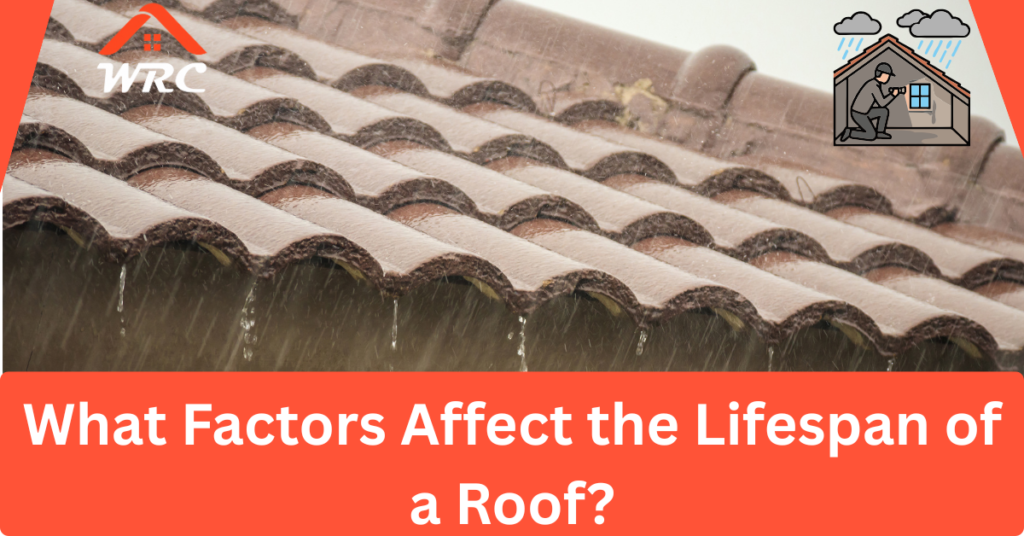
Many homeowners assume that once a new roof is installed, they do not have to think about it for many years. While roofing materials are designed to last a long time, several factors can shorten or extend their lifespan. Knowing what affects your roof can help you take better care of it and avoid expensive repairs.
The Quality of the Installation
A roof is only as good as the people who install it. Even the best roofing materials can fail early if they are not installed correctly.
Professional roofers follow manufacturer guidelines and local building codes to make sure every part of the roof is properly installed. This includes placing underlayment, flashing, shingles, vents, and fasteners in the correct locations.
If the installation is poor, problems such as leaks, loose shingles, poor drainage, and uneven surfaces can appear within just a few years. That’s why choosing an experienced and licensed roofing contractor is one of the best investments you can make.
Weather Conditions
The weather has a major impact on how long a roof lasts. Every season brings different challenges that slowly wear down roofing materials.
Heavy rain can allow water to enter small cracks. Strong winds may lift shingles or loosen flashing. Hailstorms can dent metal roofing and crack asphalt shingles. Constant sunlight and high temperatures can dry out roofing materials, making them brittle over time.
For homeowners living in colder regions, winter can be especially hard on a roof. Snow and ice may remain on the roof for weeks, placing extra weight on the structure. As snow melts during the day and freezes again at night, it can create ice dams that trap water under the shingles.
Over many years, these weather conditions gradually weaken the roof and reduce its lifespan.
Roof Ventilation
Many people don’t realize that attic ventilation plays a big role in roof health.
A properly ventilated attic allows hot, humid air to escape while bringing in fresh outside air. This helps control temperature and moisture throughout the year.
Without good ventilation, heat can build up during summer, causing shingles to age faster. During winter, trapped warm air can melt snow on the roof, leading to ice dams that damage shingles and gutters.
Proper ventilation not only extends the life of your roof but can also improve your home’s energy efficiency.
Regular Maintenance
Regular maintenance is one of the easiest ways to make a roof last longer.
Simple tasks like cleaning gutters, removing leaves, trimming overhanging branches, and checking for damaged shingles can prevent small problems from becoming expensive repairs.
Many roofing experts recommend inspecting your roof at least twice a year—once in the spring and once in the fall. It’s also a good idea to inspect your roof after major storms.
Catching a loose shingle or a small leak early can save thousands of dollars later.
Trees Around Your Home
Trees provide shade and improve the appearance of your property, but they can also damage your roof.
Overhanging branches may scrape against shingles during windy weather. Falling branches can crack roofing materials or damage flashing. Leaves that collect on the roof trap moisture, which may lead to mold, moss, and wood rot.
Keeping tree branches trimmed several feet away from your roof helps reduce these risks.
Roof Maintenance History
A roof that receives regular inspections and timely repairs often lasts much longer than one that is ignored.
For example, replacing a few damaged shingles after a storm is much less expensive than waiting until water has damaged the roof deck, insulation, and ceilings.
Small repairs performed at the right time can add several years to your roof’s lifespan.
Signs Your Roof May Need Repairs or Replacement
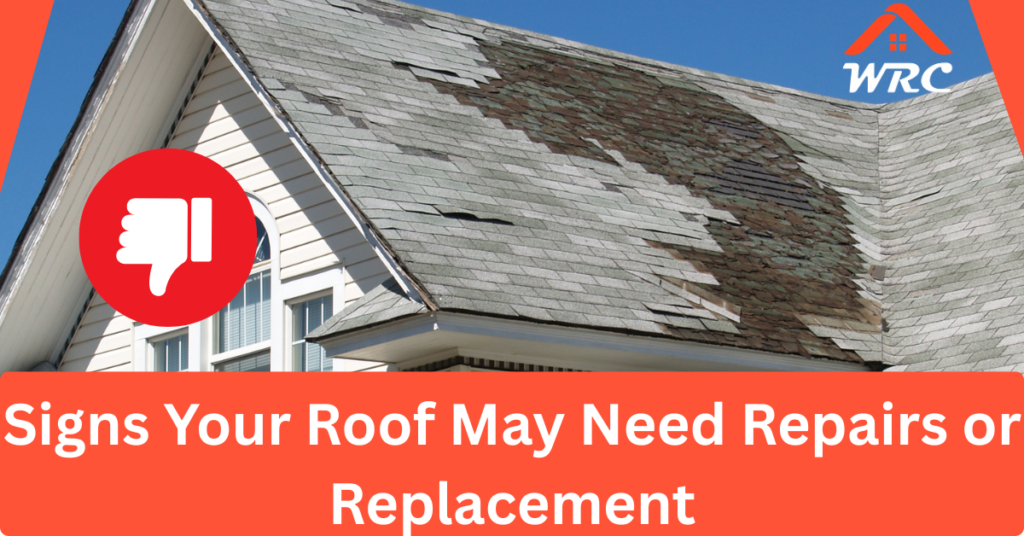
Your roof usually gives warning signs before it fails completely. Learning to recognize these signs can help you take action before serious damage occurs.
Your Roof Is Getting Old
Age is one of the first things to consider.
If your asphalt shingle roof is around 20 to 30 years old, it is wise to schedule a professional inspection, even if it still looks good from the ground.
Older roofs are more likely to develop hidden problems that cannot be seen without a close inspection.
Missing or Damaged Shingles
Shingles protect your roof from rain, snow, and sunlight.
If you notice missing, cracked, curled, or broken shingles, your roof is becoming more vulnerable to water damage.
A few damaged shingles can often be repaired, but widespread damage may indicate that the roof is nearing the end of its lifespan.
Water Leaks Inside Your Home
Water stains on ceilings or walls are among the clearest signs that your roof needs attention.
Even a small leak can allow moisture to spread through insulation, drywall, and wooden framing. Over time, this may lead to mold growth and structural damage.
Never ignore a roof leak, even if it only happens during heavy rain.
Sagging Roof
A sagging roof is a serious warning sign.
It may indicate problems with the roof deck or the home’s structural support system. Water damage, excess weight from snow, or rotting wood can all cause sections of the roof to sag.
If you notice any sagging, contact a roofing professional as soon as possible.
Granules in the Gutters
Asphalt shingles are covered with protective granules that help shield them from sunlight and weather.
As roofs age, these granules begin to fall off.
If you find large amounts of granules collecting in your gutters or near your downspouts, your shingles may be wearing out and losing their ability to protect your home.
Moss or Algae Growth
Moss may look harmless, but it traps moisture against the roof.
Over time, this moisture can weaken shingles and cause them to deteriorate more quickly.
Removing moss safely and improving roof drainage can help extend your roof’s life.
Should You Repair or Replace Your Roof?
Many homeowners struggle with this question whether they should repair or replace the roof.
The answer depends on the condition of the roof and the extent of the damage.
If only a small section of the roof has been damaged by a recent storm, repairing it may be the most cost-effective solution.
For example, replacing a few missing shingles or repairing damaged flashing is usually much less expensive than installing a completely new roof.
However, if your roof is already near the end of its expected lifespan and repairs are becoming more frequent, replacing the entire roof may save money in the long run.
A new roof provides better protection, improves energy efficiency, increases property value, and gives homeowners peace of mind.
Instead of paying for repairs every year, many homeowners find that investing in a replacement is the smarter financial decision.
Why You Should Never Delay Roof Repairs
It can be tempting to postpone roof repairs, especially if the damage appears minor.
Unfortunately, roofing problems rarely fix themselves.
A small leak today can become major water damage after several storms. Wet insulation loses its ability to keep your home comfortable, leading to higher heating and cooling costs. Moisture can also create the perfect environment for mold, which may affect indoor air quality and require expensive cleanup.
By repairing roof problems early, you can protect your home, reduce repair costs, and often extend the life of your existing roof by several years.
Your roof is your home’s first line of defense against the weather. Taking care of it today helps prevent much larger problems tomorrow.
Understanding these factors helps homeowners make better maintenance decisions and avoid replacing their roofs sooner than necessary.
How to Extend the Life of Your Roof
Although every roof will eventually need to be replaced, proper care can help it last much longer. Many homeowners are surprised to learn that a few simple maintenance tasks can add several years to a roof’s lifespan.
The best way to protect your roof is by inspecting it regularly. Walk around your home a few times each year and look for missing shingles, damaged flashing, clogged gutters, or other signs of wear. You don’t need to climb onto the roof yourself. A visual inspection from the ground using binoculars is often enough to notice obvious problems. For a closer inspection, consider hiring a professional roofing contractor.
Keeping your gutters clean is another important step. Gutters allow rainwater and melting snow to flow safely away from your home. When gutters become clogged with leaves and debris, water can back up under the shingles and cause leaks or wood rot. Cleaning your gutters at least twice a year helps prevent these problems.
If you have trees near your home, trim any branches that hang over your roof. During storms, branches can scrape against shingles or even fall onto the roof, causing serious damage. Keeping branches away also reduces the number of leaves that collect on the roof.
Good attic ventilation is just as important as maintaining the roof itself. A properly ventilated attic helps control heat and moisture throughout the year. This reduces the risk of ice dams in winter and prevents excessive heat buildup during summer, both of which can shorten the life of your roof.
After severe weather, inspect your property for signs of damage. Strong winds, hail, and heavy snowfall can loosen shingles, dent metal roofing, or damage flashing. Addressing these issues quickly helps prevent small problems from becoming major repairs.
Finally, schedule a professional roof inspection every few years, especially if your roof is more than 10 years old. A trained roofing expert can identify hidden problems that are difficult for homeowners to spot.
Frequently Asked Questions
Here are some of the most frequently asked questions about roofing:
How often does the roof need to be replaced?
Most residential roofs need replacement every 20 to 50 years, depending on the roofing material, climate, installation quality, and maintenance. Asphalt shingles usually last around 20 to 30 years, while metal roofs often last 40 to 70 years or more.
Can a roof last 50 years?
Yes. Several roofing materials can last 50 years or longer. Metal roofs, clay tiles, concrete tiles, and slate roofs are all known for their long lifespan when installed correctly and properly maintained.
What are the first signs that a roof needs replacement?
Common warning signs include missing or curled shingles, water leaks, sagging areas, cracked flashing, excessive granules in gutters, mold growth, and visible storm damage. If your roof is also nearing the end of its expected lifespan, it is a good idea to schedule a professional inspection.
Should I repair my roof or replace it?
If the damage is limited to a small area and your roof is still relatively new, repairs are often enough. However, if the roof has widespread damage, frequent leaks, or is close to the end of its lifespan, a full replacement may be the better long-term investment.
How often should a roof be inspected?
Most roofing professionals recommend inspecting your roof at least twice a year, usually during spring and fall. You should also inspect your roof after major storms, hail, or heavy snowfall.
Does snow reduce the lifespan of a roof?
Heavy snow and ice can place extra stress on roofing materials, especially if snow remains on the roof for long periods. Proper attic ventilation, insulation, and regular maintenance help reduce winter-related damage.