One of the biggest home improvement projects a homeowner can undertake is roof replacement. Whether your roof has reached the end of its lifespan, suffered storm damage, or started leaking, replacing it is an important investment that protects your home for many years to come.
One of the first questions that comes to mind is, “How long does roof replacement take?” This is a common concern because roof replacement can temporarily affect your daily routine. You may wonder if you’ll need to stay somewhere else, how long your driveway will be occupied, or whether bad weather could delay the project.
Most residential roof replacements are completed much faster than people expect. In many cases, an experienced roofing crew can replace an average sized roof in just one to three days. However, every roofing project is different. The total time depends on several factors, including the size of your roof, the roofing material you choose, weather conditions, and whether hidden structural damage is found during the project.
In this blog, you will learn how long roof replacement usually takes, what happens before installation begins, the average timeline for different roofing materials, and the factors that can speed up or delay your project.
Why Roof Replacement Is Important
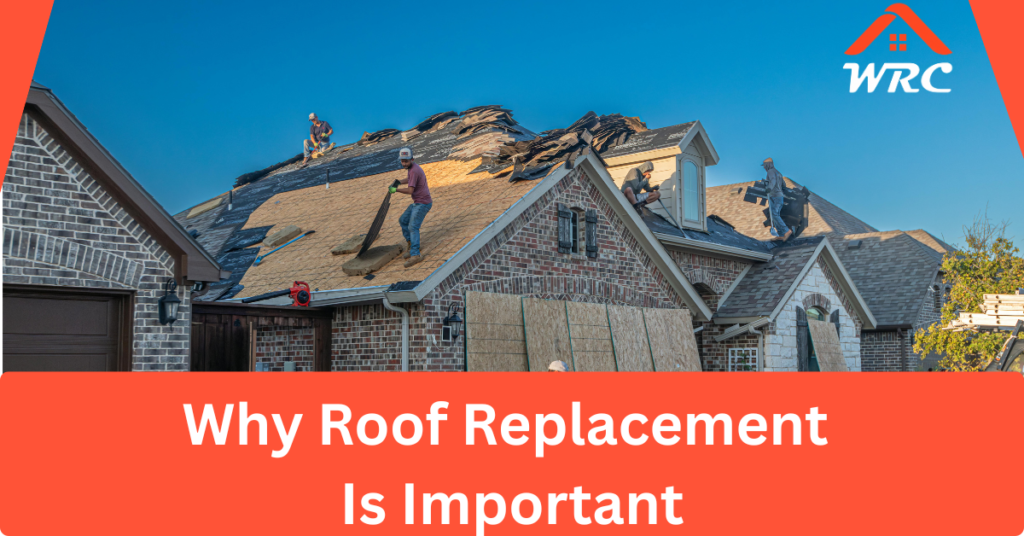
Your roof is your home’s first line of defense against rain, snow, hail, strong winds, and harsh sunlight. It protects everything inside your home, including your family, furniture, electrical systems, and personal belongings.
With the passage of time, every roof experiences some demage. Shingles may crack, flashing can loosen, and water may begin to seep beneath the roofing materials. If these problems are ignored, they can lead to leaks, mold growth, wood rot, damaged insulation, and costly structural repairs.
Replacing an old or damaged roof at the right time helps prevent these problems before they become more serious.
A new roof also improves your home’s energy efficiency. Modern roofing materials are designed to provide better insulation and ventilation, helping your home stay cooler during summer and warmer during winter. This can reduce your heating and cooling costs over time.
Another major benefit of roof replacement is increased property value. A new roof improves your home’s appearance and gives potential buyers confidence that the property has been well maintained. If you’re planning to sell your home in the future, a recently replaced roof can make your home more attractive in the real estate market.
How Long Does Roof Replacement Actually Take?
How long does roof replacement take? The simple answer is that most residential roof replacements take between one and three days.
For an average single family home with asphalt shingles, experienced roofing contractors can often complete the entire project in just one or two days.
However, not every roof replacement follows the same schedule.
Some projects may only take a single day, while others can take a week or longer.
Several factors influence the overall timeline, including:
- The size of the roof
- The type of roofing material
- The complexity of the roof design
- The weather conditions
- The experience of the roofing crew
- Whether structural repairs are needed
For example, replacing a simple asphalt shingle roof on a small home is much faster than installing a slate roof on a large house with multiple chimneys, skylights, and steep slopes.
Before your roofing contractor provides an estimated completion date, they will usually inspect your roof to evaluate these factors.
Average Roof Replacement Timeline by Roofing Material
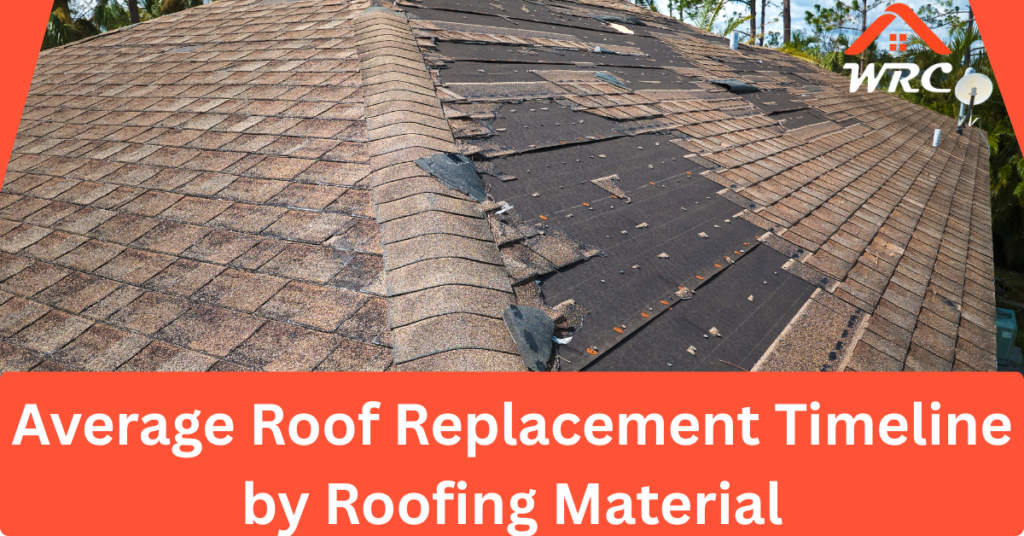
Different roofing materials require different installation methods. Some materials are lightweight and easy to install, while others require specialized skills and additional preparation.
Below is a general timeline for the most common roofing materials.
Asphalt Shingles
Asphalt shingles are the most popular roofing material in the United States because they are affordable, durable, and relatively quick to install.
Most asphalt shingle roofs can be replaced in one to two days on an average sized home.
If the weather is good and the roof has a simple design, experienced contractors may even complete the entire project in a single day.
Architectural Shingles
Architectural shingles are thicker and heavier than standard three tab shingles.
Although they provide better durability and a more attractive appearance, they require slightly more installation time.
Most architectural shingle roofs are completed within two to three days, depending on the size and complexity of the roof.
Metal Roofing
Metal roofs are becoming increasingly popular because they last much longer than traditional asphalt shingles.
Installing metal roofing requires greater precision since each panel must be carefully measured, aligned, and secured.
Most metal roof replacements take two to five days.
Large homes or roofs with complex designs may require additional time.
Wood Shake Roofing
Wood shake roofs offer a beautiful natural appearance, but each piece must be installed carefully to ensure proper spacing and ventilation.
Because of this detailed installation process, replacing a wood shake roof usually takes four to eight days.
Regular maintenance is also important to help wood roofing reach its full lifespan.
Clay and Concrete Tile Roofing
Clay and concrete tiles are much heavier than asphalt shingles and require careful handling during installation.
Each tile must be individually positioned and secured.
As a result, replacing a tile roof generally takes five to ten days, depending on the size of the home and the experience of the roofing crew.
Slate Roofing
Slate roofing is one of the most durable and long lasting roofing materials available.
However, it is also one of the most labor intensive to install.
Each slate tile must be carefully placed to ensure proper alignment and weather protection.
Because of the specialized installation process, slate roof replacement often takes six to ten days or even longer.
Only experienced roofing contractors should install slate roofs due to the skill required.
What Happens Before Roof Replacement Begins?
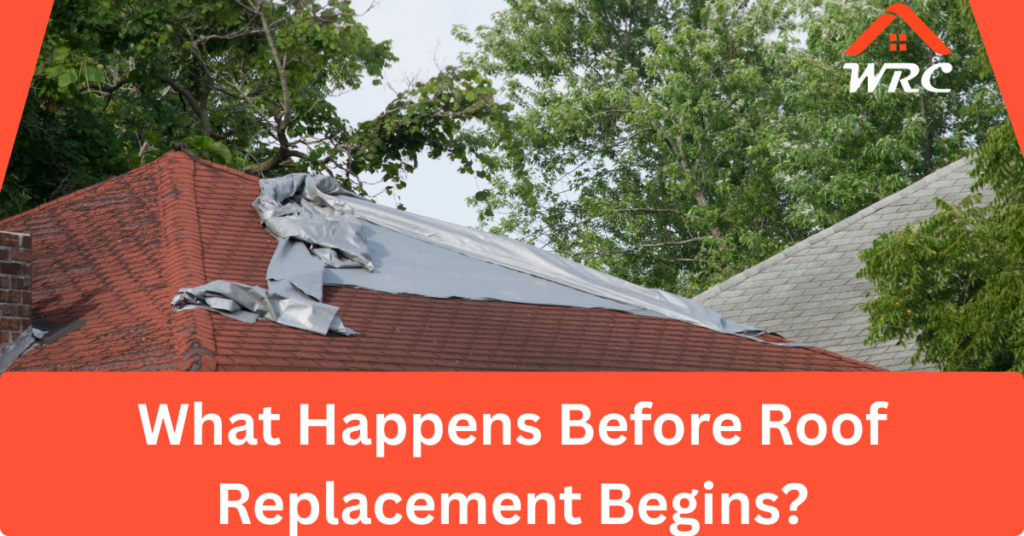
Many people think roof replacement starts when workers arrive with new shingles.
In reality, several important steps take place before the first roofing material is installed.
Understanding this preparation process helps homeowners know what to expect and reduces unexpected delays.
Roof Inspection
Every successful roof replacement begins with a professional inspection.
The roofing contractor examines the roof’s condition, measures the roof, checks for structural damage, and determines whether the roof deck is still in good condition.
This inspection also helps the contractor prepare an accurate estimate and timeline.
Choosing Roofing Materials
After the inspection, you will select the roofing material that best fits your budget, climate, and long term goals.
Your contractor may explain the advantages of asphalt shingles, metal roofing, architectural shingles, or other roofing materials.
Choosing materials early helps avoid delays once the project begins.
Obtaining Permits
Some cities and counties require building permits before roof replacement can begin.
Your roofing contractor often handles this process, but permit approval can sometimes add a few days to the project schedule.
Obtaining the proper permits ensures the work meets local building codes and safety standards.
Ordering and Delivering Materials
Once the project is scheduled, your contractor orders the necessary roofing materials.
These materials are usually delivered to your home one or two days before work begins.
Having all materials on-site allows the roofing crew to start immediately on the scheduled date.
Protecting Your Property
Before work begins, the roofing crew prepares your property to reduce the risk of damage.
They may cover landscaping with protective tarps, move outdoor furniture if necessary, and place dumpsters where old roofing materials can be safely disposed of.
Taking these precautions helps protect your lawn, flower beds, driveway, and other areas around your home during the replacement process.
Step-by-Step Roof Replacement Process
Once your roofing contractor has completed the inspection, selected the materials, and scheduled the project, it is time for the actual roof replacement to begin. Although every home is different, most roofing projects follow a similar process.
Understanding each step will help you know what to expect and why some roof replacements take longer than others.
You can also checkout : “How To Get Insurance To Pay For Roof Replacement“
Step 1: Preparing the Work Area
Before any work begins, the roofing crew prepares your property to keep it as safe as possible.
They usually cover landscaping, flower beds, air conditioning units, and outdoor furniture with protective tarps. Dumpsters or trailers are placed nearby to collect old roofing materials, making clean up faster and more efficient.
Your contractor may also ask you to move vehicles out of the driveway to allow easy access for workers and material deliveries.
This preparation helps protect your property throughout the project.
Step 2: Removing the Old Roof
The first major step is removing the existing roofing materials.
Roofers carefully strip away old shingles, nails, underlayment, and damaged flashing until the roof deck is exposed.
Although this part of the job can be noisy, it is necessary because installing new shingles over damaged materials can shorten the life of your new roof.
Removing the old roof also allows contractors to inspect the wooden roof deck underneath for hidden damage.
Depending on the size of the roof, this step usually takes several hours or up to one full day.
Step 3: Inspecting the Roof Deck
Once the old roofing materials have been removed, the roofing crew carefully examines the roof deck.
The roof deck is the wooden surface that supports your entire roofing system.
During the inspection, contractors look for:
- Rotten wood
- Water damage
- Mold
- Soft spots
- Loose boards
- Structural damage
If the roof deck is in good condition, the project can move forward immediately.
However, if damaged wood is discovered, repairs must be completed before installing the new roof.
Although these repairs may add extra time to the project, they are essential for ensuring your new roof remains safe and durable.
Step 4: Repairing Structural Damage
Sometimes roof damage extends beyond the shingles.
Years of leaks, storm damage, or poor ventilation may weaken the roof deck or supporting structure.
When this happens, the contractor replaces damaged plywood, repairs framing if necessary, and ensures the roof has a solid foundation.
Skipping these repairs could lead to serious problems later, including leaks, sagging, or premature roof failure.
While homeowners may worry about project delays, repairing hidden damage now often saves thousands of dollars in future repairs.
Step 5: Installing the Underlayment
After the roof deck has been inspected and repaired, the next step is installing the underlayment.
The underlayment is a waterproof barrier placed between the roof deck and the roofing material.
Its job is to provide an extra layer of protection against moisture if water ever gets beneath the shingles.
In colder climates, contractors often install additional ice and water shields along roof edges and valleys to protect against ice dams during winter.
A properly installed underlayment helps improve the overall durability of the roofing system.
Step 6: Installing Flashing
Flashing is one of the most important parts of any roof.
It is installed around chimneys, skylights, vents, roof valleys, and other areas where water is most likely to enter.
Without properly installed flashing, even a brand-new roof can develop leaks.
Experienced roofing contractors carefully install new flashing to direct rainwater safely away from these vulnerable areas.
Although flashing is not highly visible, it plays a major role in protecting your home from water damage.
Step 7: Installing the New Roofing Material
Now the roof begins to take its final shape.
The roofing crew starts installing the new roofing material according to the manufacturer’s specifications.
The installation process varies depending on the material chosen.
For example:
- Asphalt shingles are installed in overlapping rows.
- Metal roofing panels are carefully aligned and fastened.
- Clay tiles are individually placed and secured.
- Slate tiles require specialized installation techniques.
Professional installation is extremely important because even high quality roofing materials can fail if they are installed incorrectly.
Step 8: Installing Ridge Vents and Roof Accessories
Modern roofing systems include more than just shingles.
Roofers also install or replace components such as:
- Ridge vents
- Roof vents
- Pipe boots
- Drip edges
- Ventilation systems
These accessories improve airflow throughout the attic, helping regulate temperature and moisture levels.
Proper ventilation reduces the risk of mold, ice dams, and premature shingle aging while improving your home’s energy efficiency.
Step 9: Final Cleanup
Once the new roof has been installed, the roofing crew begins cleaning the property.
Old roofing materials, nails, packaging, and debris are removed from the roof and surrounding yard.
Many professional roofing companies use magnetic tools to collect loose nails from the lawn and driveway, helping keep your family and vehicles safe.
A thorough cleanup is an important part of every professional roof replacement.
Step 10: Final Roof Inspection
The final step is a complete inspection of the finished roof.
The contractor checks:
- Shingle alignment
- Flashing installation
- Ventilation components
- Roof edges
- Ridge caps
- Overall workmanship
Many contractors also walk homeowners through the completed project, answer questions, and explain warranty information.
This final inspection ensures the roof has been installed correctly and meets local building codes.
What Factors Affect Roof Replacement Time?
Although many roof replacements are completed within one to three days, several factors can make the project faster or slower.
Understanding these factors helps homeowners set realistic expectations.
Roof Size
The size of your roof is one of the biggest factors affecting the timeline.
A small single story home can often be completed in one day.
Larger homes naturally require more materials, more labor, and additional installation time.
Roof Design
Simple roofs with few angles are much easier to replace.
However, roofs with multiple valleys, dormers, skylights, chimneys, and intersecting rooflines require more detailed work.
Complex roof designs increase both installation time and labor costs.
Roof Pitch
Steep roofs take longer to replace because they require additional safety equipment and slower working conditions.
Roofers must move more carefully when working on steep slopes, especially while carrying heavy materials.
Roofing Material
Not every roofing material installs at the same speed.
Asphalt shingles are relatively quick to install, while slate, clay tiles, and wood shakes require much more precision.
Choosing a premium roofing material often means a longer installation timeline.
Weather Conditions
Weather is one of the few factors no contractor can control.
Heavy rain, snow, strong winds, or lightning can temporarily stop roofing work for safety reasons.
Roofers cannot install shingles properly on wet surfaces, and working during storms puts both workers and your home at risk.
Scheduling roof replacement during mild weather often helps avoid unnecessary delays.
Crew Size
The number of workers assigned to your project also affects the timeline.
A larger, experienced roofing crew can often complete the work much faster than a smaller team.
However, quality should never be sacrificed simply to finish the job quickly.
Experienced contractors focus on doing the work correctly rather than rushing through the installation.
Unexpected Repairs
Sometimes contractors discover hidden problems after removing the old roof.
These may include:
- Rotten decking
- Water damage
- Mold
- Damaged rafters
- Pest damage
Although these repairs extend the project timeline, they are necessary to ensure your new roof has a strong and secure foundation.
Building Permits and Inspections
In some areas, local building departments require permits before work begins.
Some municipalities also require inspections during or after installation.
Permit approval and inspection scheduling can occasionally add extra days to the overall project timeline.
Can You Stay Home During Roof Replacement?
One of the most common questions asked before replacing roof is whether they need to leave the house during the project.
The good news is that most homeowners can safely stay at home while their roof is being replaced. However, there are a few things to keep in mind.
Roof replacement is a noisy process. Workers will be removing old shingles, using nail guns, moving heavy materials, and walking across the roof throughout the day. The constant hammering and movement can be loud enough to interrupt work, online meetings, or daytime naps.
If you work from home or have young children, elderly family members, or pets that are sensitive to noise, you may find it more comfortable to spend a few hours elsewhere while the roofing crew is working.
Regardless of whether you stay or leave, always avoid entering restricted work areas around your home. Roofing materials, tools, and debris may fall from the roof during construction, making these areas unsafe.
How to Prepare for Roof Replacement
Preparing your home before the roofing crew arrives can help the project run more smoothly while protecting your belongings.
Protect Valuable Items Inside Your Home
Roof replacement creates vibrations throughout the house.
Wall decorations, mirrors, picture frames, and other fragile items may shift during the installation process.
Remove valuable or breakable items from shelves and walls if possible.
If you have fragile belongings stored in the attic, consider covering them with plastic sheets or moving them to another room until the project is complete.
Cover Items in the Attic
Dust and small particles can fall into the attic while the old roofing materials are removed.
Cover stored furniture, seasonal decorations, and boxes with protective sheets or tarps to keep them clean.
This simple step can save hours of cleaning after the project is finished.
Secure Children and Pets
Roof replacement can be stressful for children and pets because of the loud noise and unfamiliar activity outside.
Keep children away from the work area and make sure pets remain safely indoors or with a friend until the project is complete.
This helps prevent accidents and keeps everyone comfortable during construction.
Inform Your Neighbors
Roof replacement can be noisy from early morning until late afternoon.
Letting your neighbors know about the project in advance is a thoughtful gesture.
They will appreciate the notice and can prepare for temporary noise or limited parking near your home.
Tips to Help Your Roof Replacement Stay on Schedule
Although weather and unexpected repairs cannot always be controlled, there are several things homeowners can do to help the project finish on time.
Hire an Experienced Roofing Contractor
The quality and experience of your roofing contractor play a major role in the project’s success.
Experienced contractors have trained crews, proper equipment, and efficient project management. They can often complete the work more quickly without sacrificing quality.
Before hiring a contractor, check reviews, verify licenses, confirm insurance coverage, and ask for references from previous customers.
Choose the Right Time of Year
Weather is one of the biggest reasons roof replacement projects are delayed.
Whenever possible, schedule your project during seasons with mild weather and a lower chance of heavy rain or snow.
Spring and fall are often considered ideal times for roof replacement because temperatures are comfortable and weather conditions are generally more predictable.
Select Roofing Materials Early
Delays sometimes occur because roofing materials are unavailable or backordered.
Choosing your roofing material well before the project starts gives your contractor enough time to order and deliver everything needed for installation.
This reduces the chance of unexpected scheduling problems.
Communicate With Your Contractor
Good communication helps prevent misunderstandings.
Before work begins, ask your contractor about:
- Expected start date
- Estimated completion date
- Daily working hours
- Cleanup procedures
- Weather contingency plans
- Warranty information
Knowing what to expect helps the entire project run more smoothly.
Frequently Asked Questions
Below are some of the most frequently asked questions by homeowners:
Can a roof be replaced in one day?
Yes. Small to medium-sized asphalt shingle roofs can often be replaced in one day by an experienced roofing crew working in good weather. Larger or more complex roofs usually require additional time.
Does rain delay roof replacement?
Yes. Rain is one of the most common reasons roofing projects are delayed. Wet conditions make roofing work unsafe and can affect the proper installation of roofing materials.
How long does it take to replace a metal roof?
Most metal roof replacements take two to five days, depending on the size and complexity of the roof.
How long does it take to replace asphalt shingles?
An average asphalt shingle roof typically takes one to two days to replace, making it one of the fastest roofing materials to install.
Will roof replacement damage my landscaping?
Professional roofing contractors usually protect landscaping with tarps and other safety measures. While minor disturbance is possible, experienced crews take steps to minimize damage and clean the area after the project is complete.
Is roof replacement covered by homeowners insurance?
If your roof is damaged by a covered event such as hail, wind, fire, or a fallen tree, homeowners insurance may help pay for repairs or replacement. Damage caused by normal aging or poor maintenance is generally not covered.
Final Thoughts
Understanding how long roof replacement takes helps homeowners plan their project with confidence. While most residential roof replacements are completed in one to three days, the exact timeline depends on several factors, including the size of the roof, the roofing material, weather conditions, and whether hidden structural repairs are needed.
A successful roof replacement is about more than finishing quickly. Proper planning, quality materials, and experienced installation are essential for ensuring your new roof protects your home for decades.