A tile roof is one of the most durable and attractive roofing systems available. Whether your home has clay or concrete roof tiles, you can expect the tiles themselves to last for decades with proper maintenance. In many cases, tile roofs can remain in good condition for 50 to 100 years. However, the same cannot always be said for the roof underlayment hidden beneath the tiles.
The underlayment is a water-resistant barrier installed between the roof deck and the roof tiles. While it is not visible from the outside, it plays a critical role in protecting your home from moisture, leaks, and structural damage. Over time, heat, heavy rain, aging, and weather exposure can cause the underlayment to deteriorate, even if the roof tiles still look perfectly fine.
Many homeowners are surprised to learn that they may need to replace the underlayment long before replacing the tiles themselves. Since replacing the underlayment requires removing and reinstalling the roof tiles, the project can be labor intensive and more expensive than many people expect.
One of the most common questions homeowners ask is, “How much to replace underlayment on tile roof?” The answer depends on several factors, including the size of the roof, the type of underlayment selected, labor costs in your area, and whether additional repairs are needed after the old underlayment is removed.
In this guide, you will learn what roof underlayment is, why it eventually needs replacement, the average cost of replacing underlayment on a tile roof, and the key factors that influence the total project cost.
What Is Roof Underlayment?
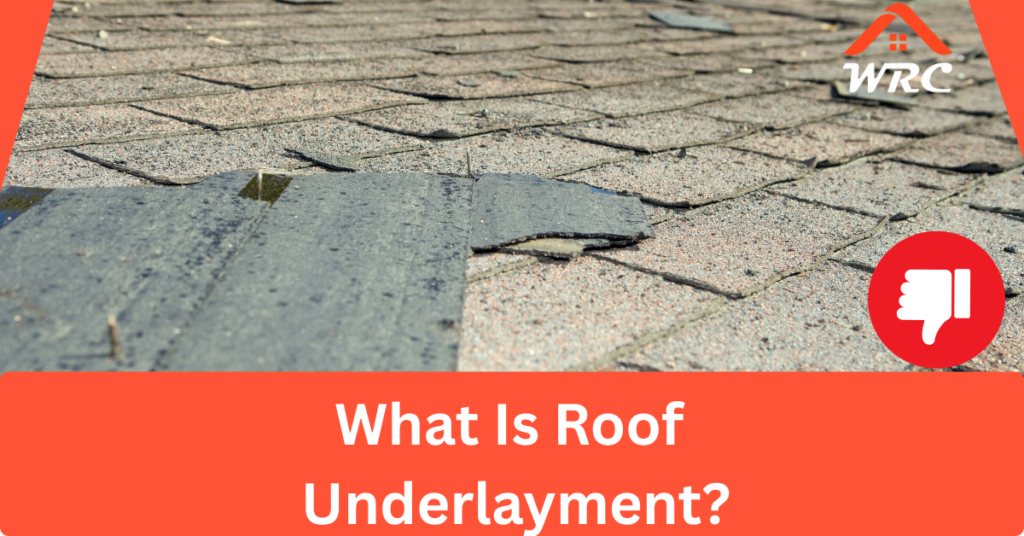
Roof underlayment is a protective layer installed directly over the roof deck and underneath the roof tiles. Although the tiles provide the first line of defense against the weather, the underlayment acts as a secondary barrier that helps keep water from reaching the wooden structure of your home.
Without a properly functioning underlayment, rainwater can seep beneath the tiles and cause problems such as wood rot, mold growth, damaged insulation, and interior water leaks.
Today, you can choose from several types of roofing underlayment.
Asphalt Felt Underlayment
Asphalt felt has been used for many years and remains a common roofing material because it is affordable and widely available. However, it generally has a shorter lifespan than modern alternatives and may deteriorate more quickly in areas with extreme heat or heavy rainfall.
Synthetic Underlayment
Synthetic underlayment has become increasingly popular because it is lightweight, durable, and more resistant to tearing and moisture. Many roofing professionals recommend synthetic products for tile roofs because they typically provide better long-term performance than traditional felt.
Self-Adhering Underlayment
Self-adhering membranes offer excellent waterproof protection, especially around roof valleys, chimneys, skylights, and other areas that are more likely to experience leaks. They are commonly used as an additional layer of protection in vulnerable sections of the roof.
Choosing the right underlayment can improve your roof’s durability and reduce the risk of future water damage.
Why Does Tile Roof Underlayment Need Replacement?
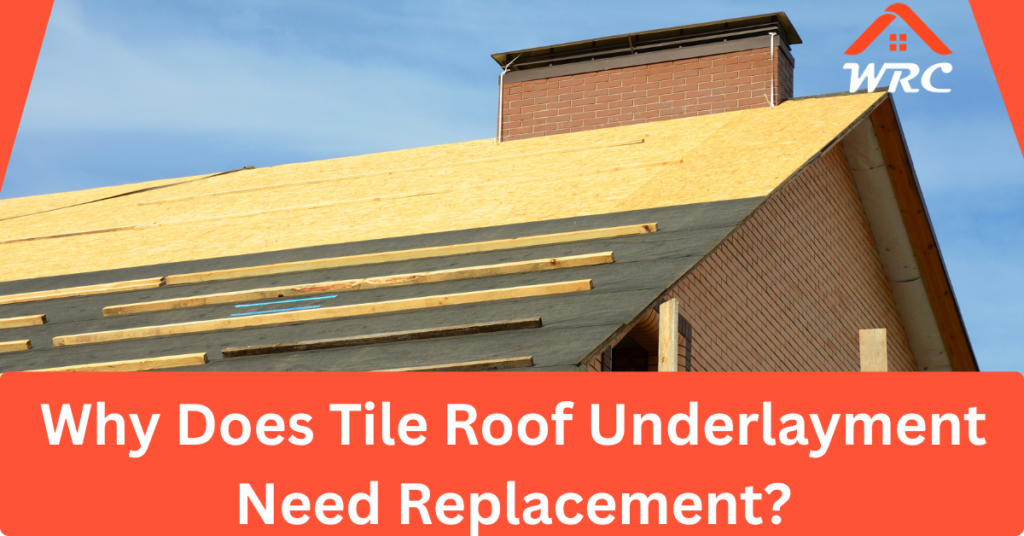
Although roof tiles are designed to withstand decades of exposure, the underlayment beneath them gradually wears out.
Several factors contribute to its deterioration.
Natural Aging
Every roofing material has a limited lifespan. As underlayment ages, it can become brittle, crack, or lose its ability to repel water effectively.
Heat and UV Exposure
Even though roof tiles shield the underlayment from direct sunlight, high temperatures beneath the tiles can accelerate aging over time. Homes in warmer climates often experience faster underlayment deterioration due to prolonged heat exposure.
Moisture and Water Intrusion
Repeated exposure to rain and moisture can weaken older underlayment materials. Small leaks that go unnoticed may eventually damage the roof deck and increase repair costs.
Storm Damage
Strong winds, heavy rain, hail, and fallen branches can shift or crack roof tiles, allowing water to reach the underlayment. Even if the tiles are repaired, the protective layer underneath may already have been compromised.
Poor Ventilation
A poorly ventilated attic can trap heat and moisture beneath the roof, causing the underlayment to age more quickly than expected.
Improper Installation
If the underlayment was installed incorrectly during the original roof construction, it may fail years before its expected lifespan. Hiring an experienced roofing contractor helps reduce the risk of premature failure.
How Much Does It Cost to Replace Underlayment on a Tile Roof?
The cost of replacing underlayment on a tile roof varies depending on several factors, including roof size, labor rates, roof complexity, and the type of materials used.
Industry cost guides estimate that installing a tile roofing system generally ranges from about $19 to $26 per square foot, though actual project costs vary by location, labor, materials, and project requirements. Because replacing underlayment requires removing and reinstalling the existing roof tiles, labor makes up a significant portion of the total expense.
Below is a general estimate of what homeowners might expect when replacing underlayment on different roof sizes.
| Roof Size | Estimated Cost Range* |
| 1,500 sq. ft. | $8,000 – $14,000 |
| 2,000 sq. ft. | $10,000 – $18,000 |
| 2,500 sq. ft. | $13,000 – $22,000 |
| 3,000 sq. ft. | $16,000 – $26,000 |
Why Do Costs Vary So Much?

Every roofing project is unique. Two homes with the same square footage can have very different replacement costs because of differences in roof design, tile type, and site conditions.
For example, a roof with multiple valleys, chimneys, skylights, or steep slopes usually requires more labor than a simple roof design. Likewise, if the roof deck has water damage or rotten wood beneath the underlayment, those repairs will increase the overall project cost.
Local labor rates also play a major role. Roofing projects in areas with higher labor costs or stricter building codes may be more expensive than similar projects in other regions.
What Is Typically Included in the Cost?
A professional underlayment replacement project usually includes more than simply installing new materials.
Many estimates cover:
- Delivery of roofing materials and equipment
- Removal of roof tiles
- Removal and disposal of old underlayment
- Inspection of the roof deck
- Installation of new underlayment
- Reinstallation or replacement of roof tiles as needed
- Basic job site cleanup
- Final inspection
However, some costs may not be included in the initial estimate, such as:
- Structural roof deck repairs
- Permit or inspection fees
- Hazardous material removal
- Upgrades required by local building codes
- General contractor management fees (when applicable)
- Sales tax on materials
For this reason, homeowners should carefully review every estimate and ask contractors to explain exactly what is included before signing a contract.
Read more about: “how long does roof replacement take“
Why Professional Estimates Matter
Online cost calculators and national averages can provide a useful starting point, but they cannot account for the unique conditions of your home.
A professional roofing contractor can inspect your roof, measure its size, identify hidden damage, and provide a detailed estimate based on your specific project. Comparing multiple written quotes allows you to understand the scope of work and choose a contractor who offers quality workmanship, transparent pricing, and appropriate warranties.
Factors That Affect the Cost of Replacing Underlayment on a Tile Roof
Replacing the underlayment on a tile roof is a major home improvement project, and no two roofs cost exactly the same. While national averages provide a helpful starting point, the final price depends on your home’s unique characteristics, the roofing materials you choose, and the amount of labor required.
According to industry cost estimates, tile roofing projects can vary significantly because of factors such as project size, local labor rates, material choices, and site conditions. Understanding these factors will help you budget more accurately and avoid unexpected expenses.
Let’s look at the biggest factors that affect the cost of replacing underlayment on a tile roof.
1. Roof Size
One of the biggest factors influencing cost is the total size of your roof.
Roofing contractors usually measure roofing projects in square feet. The larger your roof, the more underlayment, fasteners, flashing, and labor will be required.
For example, replacing the underlayment on a 1,500-square-foot roof will usually cost much less than replacing it on a 3,000-square-foot roof because the contractor must remove and reinstall more roof tiles over a larger area.
2. Type of Underlayment
The material you choose also plays an important role in the overall project cost.
Common options include:
Asphalt Felt
- Lower upfront cost
- Traditional roofing material
- Shorter lifespan compared to modern alternatives
Synthetic Underlayment
- More durable
- Better resistance to moisture and tearing
- Longer service life
- Higher material cost but often better long-term value
Self-Adhering Membranes
These premium waterproof membranes are commonly installed around valleys, chimneys, skylights, and roof edges where leaks are more likely to occur.
Although they cost more than standard underlayment, they provide additional protection against water intrusion.
3. Roof Design and Complexity
Not every roof is easy to work on.
Roofs with features such as:
- Multiple slopes
- Valleys
- Dormers
- Skylights
- Chimneys
- Roof vents
require more time and precision.
A simple roof with a straightforward design can usually be completed more quickly than a roof with several intersecting sections.
More complex roofs require additional labor, increasing the total project cost.
4. Roof Pitch
The steepness of your roof also affects pricing.
Steeper roofs require additional safety equipment, slower working conditions, and more labor.
Because replacing underlayment involves removing and reinstalling every tile, steep roofs generally take longer to complete and cost more than low-slope roofs.
5. Labor Costs in Your Area
Labor is often one of the largest parts of an underlayment replacement project.
The cost of hiring experienced roofing professionals varies depending on your location.
Homes in large cities or regions with a high cost of living often have higher labor rates than homes in smaller towns.
During busy roofing seasons or after severe storms, labor costs may also increase due to higher demand for qualified contractors.
6. Condition of the Roof Deck
Once the old underlayment has been removed, the contractor can inspect the wooden roof deck underneath.
If the deck is in good condition, the project can continue without major delays.
However, if the contractor discovers:
- Rotten wood
- Mold
- Water damage
- Structural deterioration
Those issues must usually be repaired before installing the new underlayment.
These additional repairs increase both the cost and the project timeline.
7. Reusing Existing Roof Tiles
One of the advantages of tile roofing is that the tiles often last much longer than the underlayment.
In many cases, roofing contractors carefully remove the existing clay or concrete tiles, replace the underlayment, and reinstall the same tiles.
Reusing roof tiles can significantly reduce material costs compared to installing an entirely new tile roof.
However, some tiles may crack during removal or may already be damaged from age or storms.
If replacement tiles are needed, the overall cost may increase, especially if matching older tile styles is difficult.
8. Flashing Replacement
Flashing protects areas around chimneys, vents, skylights, and roof valleys from water penetration.
During an underlayment replacement project, contractors often inspect the flashing carefully.
If it has rusted, loosened, or deteriorated over time, replacing it while the roof is already open can prevent future leaks and save money on later repairs.
Although this adds to the initial cost, it often improves the overall lifespan of the roofing system.
9. Permits and Building Code Requirements
Some cities and counties require roofing permits before major roof work begins.
Depending on where you live, your project may also need inspections to ensure it complies with local building codes.
Permit fees vary by location and are not always included in the contractor’s initial estimate.
Some areas may also require specific underlayment materials or installation methods to meet updated building regulations.
10. Project Preparation and Cleanup
Professional roofing estimates often include more than just installing new underlayment.
Many contractors also include:
- Delivery of roofing materials
- Transportation of equipment
- Protection of landscaping and surrounding structures
- Removal and disposal of old roofing materials
- Job site cleanup
- Final inspection
However, homeowners should always ask what is included in the written estimate.
Some companies include these services in the quoted price, while others list them as separate charges.
What May Not Be Included in the Initial Estimate?
Many homeowners assume every roofing estimate covers all project costs, but that isn’t always true.
Depending on the contractor, the following expenses may be billed separately:
- Structural framing repairs
- Electrical or plumbing modifications
- Hazardous material removal (such as asbestos, where applicable)
- Sales tax on materials
- Permit and inspection fees
- General contractor supervision fees
- Custom or premium roofing materials
Does Homeowners Insurance Cover Underlayment Replacement?
Whether homeowners insurance pays for underlayment replacement depends on why the damage occurred.
If the underlayment was damaged by a covered event such as:
- Windstorms
- Hail
- Falling trees
- Fire
- Other covered natural disasters
your insurance policy may help pay for repairs or replacement.
However, insurance companies generally do not cover underlayment that has simply worn out because of age, normal wear and tear, poor maintenance, or improper installation.
Before filing a claim, review your policy carefully and schedule an inspection with a qualified roofing contractor. A professional inspection can help determine whether the damage is likely to qualify for insurance coverage.
If you’re planning to file a claim, be sure to read our detailed guide on How To File Roof Replacement Insurance Claim With Adjuster, where we explain the entire process step by step and share practical tips for working with your insurance company.
How to Save Money on Tile Roof Underlayment Replacement
Replacing the underlayment on a tile roof is a significant investment, but that doesn’t mean you have to spend more than necessary. With proper planning and smart decisions, homeowners can reduce costs while still ensuring their roof receives quality materials and professional installation.
Below are some practical ways to save money without compromising the safety and durability of your roof.
1. Get Multiple Roofing Estimates
Never hire the first roofing contractor you contact.
Instead, request written estimates from at least three licensed and insured roofing companies. Comparing estimates allows you to understand current market pricing, evaluate the scope of work, and identify contractors who offer fair value.
A detailed estimate should clearly explain:
- Material costs
- Labor charges
- Roof inspection
- Removal and disposal of old underlayment
- Flashing replacement (if needed)
- Cleanup and warranty information
Choosing the lowest price is not always the best decision. Consider the contractor’s experience, customer reviews, and warranty before making your final choice.
2. Replace the Underlayment Before Major Damage Occurs
Many homeowners wait until roof leaks become severe before taking action.
Unfortunately, delaying repairs often leads to:
- Rotten roof decking
- Mold growth
- Damaged insulation
- Interior ceiling damage
- Higher repair costs
Scheduling regular roof inspections helps identify problems early, allowing you to replace the underlayment before additional damage increases the overall project cost.
3. Choose High-Quality Underlayment
Although premium underlayment materials cost more upfront, they often provide better long-term value.
Synthetic underlayment generally offers:
- Better moisture resistance
- Improved durability
- Longer lifespan
- Greater tear resistance
Investing in quality materials today may reduce future maintenance costs and extend the life of your roofing system.
4. Reuse Existing Roof Tiles When Possible
One major advantage of tile roofing is that the tiles often last much longer than the underlayment.
If your clay or concrete tiles remain in good condition, your roofing contractor may be able to remove and reinstall them after replacing the underlayment.
Reusing existing tiles can significantly reduce material costs while maintaining the original appearance of your home.
5. Schedule Roofing Work During Slower Seasons
Roofing companies are often busiest after severe storms and during peak construction months.
If your roof isn’t experiencing an emergency, consider scheduling the project during a slower season. Some contractors may offer more flexible pricing or shorter waiting times when demand is lower.
Frequently Asked Questions (FAQs)
Below are some of the most frequently asked questions about “How Much To Replace Underlayment On Tile Roof”:
How long does tile roof underlayment last?
Most roof underlayments last 20 to 30 years, although the exact lifespan depends on the material used, local climate, roof ventilation, and installation quality.
Can roof underlayment be replaced without replacing the tiles?
Yes. In many cases, contractors carefully remove the existing clay or concrete tiles, install new underlayment, and reinstall the original tiles if they remain in good condition.
Is replacing underlayment worth the cost?
Yes. The underlayment serves as your roof’s secondary water barrier. Replacing worn or damaged underlayment helps prevent leaks, protects the roof deck, and extends the life of your tile roof.
Does homeowners insurance pay for underlayment replacement?
Insurance may cover replacement if the damage results from a covered event such as hail, wind, or a fallen tree. However, normal aging, wear and tear, and lack of maintenance are generally not covered.
How long does underlayment replacement take?
Most projects take several days to about one week, depending on the roof size, weather conditions, roof complexity, and whether additional repairs are needed.
Can I stay in my home during the project?
In most cases, yes. Homeowners can usually remain in the house while the roofing crew works. However, expect some noise and limited access to certain outdoor areas during construction.
Final Thoughts
Replacing the underlayment on a tile roof is one of the most important investments you can make to protect your home. While the roof tiles themselves can last for decades, the underlayment beneath them naturally wears out over time and eventually needs replacement to continue protecting your home from water damage.
The total cost of replacing tile roof underlayment depends on several factors, including roof size, material selection, labor rates, roof complexity, and the condition of the roof deck. National cost estimates provide a helpful starting point, but every roofing project is unique. The most accurate way to determine your cost is to schedule an inspection and obtain detailed written estimates from qualified roofing contractors.
Most importantly, don’t wait until a small leak turns into major structural damage. Regular roof inspections and timely underlayment replacement can extend the life of your tile roof, improve your home’s protection, and save thousands of dollars in future repairs.