Replacing a roof is one of the biggest investments. Whether your roof has reached the end of its lifespan or was damaged by severe weather, the cost of a replacement can be significant. Because of this, many homeowners ask the same question: Can I Deduct Roof Replacement On My Taxes?
The answer is not always straightforward. In most cases, replacing the roof on your primary residence is not immediately tax deductible. However, there are certain situations where a roof replacement may provide tax benefits. For example, if the roof is installed on a rental property, qualifies as an energy-efficient upgrade, or is related to business use of your home, different tax rules may apply.
Understanding these rules before filing your taxes can help you avoid costly mistakes and ensure you don’t miss any available tax benefits. It’s also important to remember that tax laws can change over time, and every homeowner’s financial situation is different.
In this guide, you will learn when a roof replacement may qualify for tax deductions or tax credits, the difference between repairs and capital improvements, and what records you should keep for future tax purposes.
Is Roof Replacement Tax Deductible?
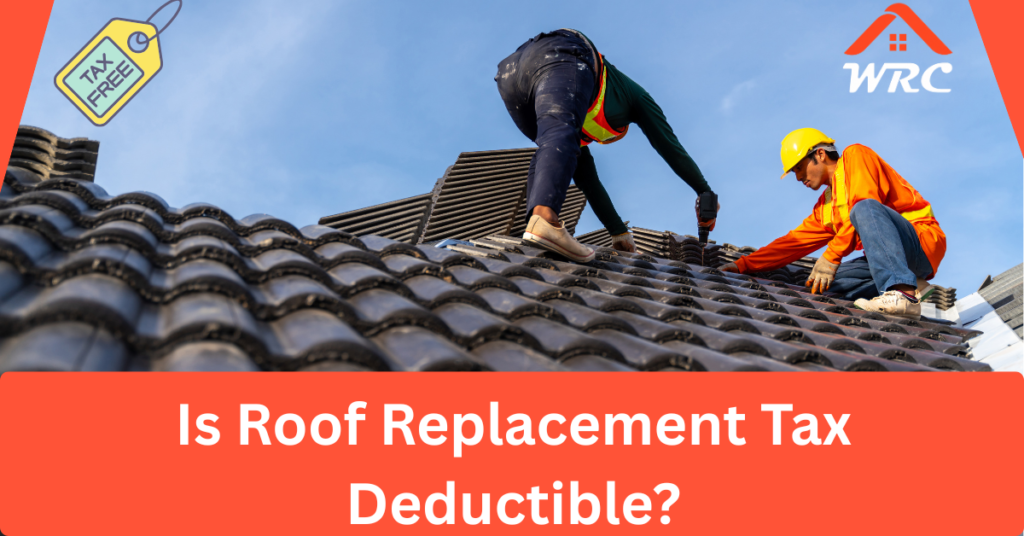
The short answer is no for a primary residence, but there are important exceptions.
If you replace the roof on the home where you live, the IRS generally considers it a capital improvement rather than a routine home maintenance expense. This means you normally cannot deduct the full cost on your tax return in the same year the work is completed.
Although this may seem disappointing, a new roof can still provide financial benefits in the future. Because it improves your home’s value and extends its useful life, the cost may become important when you eventually sell your property.
You can also get to know about: “how often does the roof need to be replaced?“
However, certain homeowners may qualify for tax benefits in specific situations, including:
- Owners of rental properties
- Homeowners who install qualifying energy-efficient roofing materials
- People using part of their home exclusively for business purposes
- Homeowners affected by certain federally declared disasters, depending on current tax laws
We’ll explore each of these situations later in this guide.
What Is Capital Improvement?

One of the most important tax concepts homeowners should understand is the difference between a capital improvement and a regular repair.
A capital improvement is a project that significantly improves your home, increases its value, extends its useful life, or adapts it for a new use.
Installing a brand-new roof usually meets this definition because it:
- Protects the home’s structure for many years
- Increases property value
- Extends the lifespan of the house
- Improves safety and weather protection
Since a complete roof replacement provides long-term benefits rather than fixing a small issue, it is generally treated as a capital improvement instead of a maintenance expense.
Keeping records of major improvements like a new roof is important because they may affect your home’s cost basis, which could reduce taxable gains if you sell the property in the future.
Roof Repair vs. Roof Replacement: What’s the Difference?
Many homeowners confuse roof repairs with roof replacements, but the IRS often treats them differently.
A roof repair fixes a specific problem without replacing the entire roofing system. Examples include replacing a few missing shingles, repairing flashing, or sealing a small leak.
A roof replacement, on the other hand, involves removing and replacing most or all of the roofing system, giving your home a longer lifespan and improved protection.
Here’s a simple comparison:
| Roof Repair | Roof Replacement |
| Fixes small areas of damage | Replaces most or all of the roofing system |
| Lower project cost | Higher overall investment |
| Restores existing roof | Adds long-term value to the property |
| Usually considered maintenance | Generally considered a capital improvement |
| May not significantly increase home value | Often increases home value and extends the home’s life |
Knowing the difference is important because it affects how roofing expenses may be treated for tax purposes.
Read more about: “how much to replace underlayment on tile roof?“
Why Keeping Roofing Records Matters
Even if your new roof does not qualify for an immediate tax deduction, you should never throw away your project documents.
Keep copies of:
- Contractor invoices
- Material receipts
- Payment confirmations
- Roofing contracts
- Warranty documents
- Inspection reports
- Before-and-after photos
These records can be valuable if you later sell your home, apply for insurance claims, or need documentation for future tax purposes.
Maintaining organized records also makes it easier to work with a tax professional if questions arise about your roofing expenses.
Are There Any Exceptions?
While most homeowners cannot deduct the cost of replacing the roof on their primary residence right away, several exceptions may allow certain taxpayers to receive tax benefits.
For example:
- A roof replacement on a rental property may be treated differently under tax rules.
- Installing qualifying energy-efficient roofing materials may make you eligible for certain federal tax credits, provided the roofing products and installation meet current program requirements.
- If you use part of your home exclusively for business, a portion of the roofing expense may be treated differently for tax purposes.
- In limited circumstances involving federally declared disasters, special tax rules may apply depending on current IRS guidance.
Because tax regulations frequently change, it’s always wise to review the latest IRS guidance or consult a qualified tax professional before claiming any deduction or credit.
When Can Roof Replacement Provide Tax Benefits?
Although most homeowners cannot deduct the cost of replacing the roof on their primary residence, there are several situations where a roof replacement may provide tax advantages. The tax treatment depends on how the property is used, the reason for the replacement, and whether the roofing project qualifies under current tax rules.
Let’s look at some of the most common situations where a roof replacement may offer financial benefits.
Roof Replacement for Rental Properties
If you own a rental property, the tax rules are different from those for a personal residence.
Since the roof is part of an income-producing property, replacing it is generally considered a capital improvement rather than a simple repair. Instead of deducting the full cost in one year, landlords typically recover the expense over time through depreciation according to IRS rules.
Although this means you won’t receive the entire tax benefit immediately, depreciation allows you to gradually recover the cost of your investment while continuing to generate rental income.
If you own multiple rental properties, keeping accurate records of roofing expenses becomes even more important during tax season.
Can You Claim Roof Replacement for a Home Office?
Many people now work from home, but simply working remotely doesn’t automatically make your roof replacement tax deductible.
If you have a qualified home office that is used regularly and exclusively for business purposes, a portion of certain home-related expenses may qualify for business deductions.
Depending on your circumstances, part of your roofing expense may be considered when calculating allowable home office deductions.
However, the amount depends on factors such as:
- The percentage of your home used exclusively for business.
- The type of business you operate.
- Current IRS home office rules.
Because these calculations can be complex, it’s best to consult a qualified tax professional before claiming any deduction.
Energy-Efficient Roofing May Qualify for Tax Credits
One of the biggest opportunities for homeowners is installing qualifying energy-efficient roofing materials.
Some federal energy incentive programs allow eligible homeowners to claim tax credits for certain energy-saving home improvements. Depending on current tax laws and program requirements, qualifying roofing materials may reduce your tax liability.
Examples of energy-efficient roofing products may include:
- Reflective metal roofing
- Energy-efficient roofing systems designed to reduce heat absorption
- Other qualifying materials that meet federal efficiency standards
Not every roofing product qualifies, so homeowners should verify eligibility before beginning the project.
You should also keep documentation such as:
- Manufacturer certifications (if required)
- Purchase receipts
- Installation invoices
- Contractor information
These records may be necessary when claiming any available tax credit.
What If Your Roof Was Damaged by a Natural Disaster?
Severe weather events such as hurricanes, tornadoes, hailstorms, or wildfires can cause significant roof damage.
In certain situations involving federally declared disasters, special tax rules may apply. Depending on current IRS guidance and your individual circumstances, homeowners may be eligible for tax relief after accounting for insurance reimbursements and other compensation received.
Because disaster-related tax rules often change and have specific eligibility requirements, homeowners should carefully review the latest IRS guidance or seek advice from a qualified tax professional before filing a claim.
It is also important to remember that insurance payments may affect the amount of any potential tax benefit.
Why Good Documentation Is So Important
No matter why you’re replacing your roof, keeping detailed records can save you time and prevent problems later.
A well-organized file should include:
- Roofing contracts
- Contractor estimates
- Paid invoices
- Material receipts
- Warranty documents
- Inspection reports
- Before-and-after photographs
- Insurance claim documents (if applicable)
These records can help support future tax filings, insurance claims, warranty requests, or even the sale of your home.
Can a New Roof Help When You Sell Your Home?
Even if you don’t receive an immediate tax deduction, replacing your roof may still provide financial benefits in the future.
Since a new roof is generally considered a capital improvement, the cost may become part of your home’s cost basis. A higher cost basis can reduce the taxable gain when you eventually sell your property, depending on your overall tax situation.
This is another reason why saving every roofing receipt and invoice is so important.
Although you may not see an immediate tax break, maintaining proper documentation today could provide valuable benefits years later.
Tips Before Claiming Any Roof-Related Tax Benefit
Before claiming any deduction or tax credit, consider these best practices:
- Review the latest IRS rules, as tax laws can change over time.
- Keep all roofing documents in one organized location.
- Verify whether your roofing materials qualify for any available energy tax incentives.
- Don’t assume every roof replacement is automatically tax deductible.
- Consult a qualified tax professional if you’re unsure how the rules apply to your situation.
Taking these simple steps can help you avoid filing mistakes and ensure you receive any tax benefits you may legally qualify for.
Common Tax Mistakes Homeowners Should Avoid
Replacing your roof is a major investment, and it’s important to understand how it affects your taxes. Many homeowners assume they can immediately deduct the entire cost of a new roof, but that’s not always true. Knowing the common mistakes can help you avoid filing errors and make better financial decisions.
1. Assuming Every Roof Replacement Is Tax Deductible
One of the biggest misconceptions is believing that every new roof automatically qualifies for a tax deduction.
In most cases, replacing the roof on your primary residence is considered a capital improvement, not an immediate tax deduction. While there may be future tax benefits or special exceptions, homeowners should never assume they can claim the full cost without verifying the current tax rules.
2. Throwing Away Important Documents
Many homeowners discard invoices and receipts once the roofing project is complete.
This can become a problem years later if you:
- Sell your home
- File an insurance claim
- Apply for a tax credit
- Need warranty service
- Work with a tax professional
Always keep copies of:
- Roofing contracts
- Paid invoices
- Material receipts
- Warranty documents
- Inspection reports
- Before-and-after photos
- Payment confirmations
Good recordkeeping can save time and prevent unnecessary complications.
3. Confusing Roof Repairs with Roof Replacement
A small repair and a complete roof replacement are treated differently.
For example:
- Replacing a few damaged shingles is generally considered a repair.
- Installing an entirely new roof is usually considered a capital improvement.
Understanding the difference is important because it may affect how the expense is handled for tax purposes.
4. Forgetting About Energy-Efficient Tax Credits
Some homeowners replace their roofs with energy-efficient materials but never check whether they qualify for available tax incentives.
Depending on current federal requirements, certain roofing products may qualify for energy-related tax credits.
Before purchasing roofing materials, ask your contractor whether the products meet current energy-efficiency standards and keep all required documentation.
5. Not Consulting a Tax Professional
Tax laws change regularly, and every homeowner’s financial situation is different.
Instead of relying solely on online information, consider speaking with a qualified tax professional before claiming any roofing deduction or tax credit.
Professional advice can help you:
- Avoid filing mistakes
- Maximize eligible tax benefits
- Understand current IRS rules
- Keep proper documentation
A small consultation today may save you from costly mistakes in the future.
Tips Before Replacing Your Roof
If you’re planning a roof replacement, these simple tips can help you stay organized and prepared.
Keep Every Receipt
Save invoices, payment records, warranties, and contractor agreements in one folder.
Request Detailed Estimates
Ask your roofing contractor to provide an itemized estimate showing labor, materials, permits, and any additional costs.
Review Your Insurance Policy
If your roof was damaged by hail, wind, or another covered event, your homeowners insurance may pay for part of the replacement.
You can also read our guide on How To Get Insurance To Pay For Roof Replacement to better understand the claims process.
Choose Quality Roofing Materials
Although premium materials may cost more initially, they often last longer and improve your home’s value.
Verify Tax Rules Before Filing
Tax regulations may change over time, so always review current IRS guidance or consult a tax professional before claiming any deduction or credit.
Frequently Asked Questions (FAQs)
Below are some frequently asked questions about “Can I Deduct Roof Replacement On My Taxes?”:
Can I deduct the cost of replacing the roof on my primary home?
In most cases, no. A roof replacement on your primary residence is generally considered a capital improvement rather than an immediately deductible expense. However, it may provide future tax benefits when you sell your home.
Is a new roof considered a capital improvement?
Yes. A complete roof replacement usually increases your home’s value and extends its useful life, which is why it is generally classified as a capital improvement.
Can landlords deduct roof replacement costs?
Rental property owners are subject to different tax rules. In many cases, the cost of a new roof is recovered over time through depreciation rather than being deducted all at once.
Can I claim a roof replacement if I work from home?
Possibly. If you have a qualified home office used exclusively for business purposes, a portion of certain home expenses may qualify for business tax treatment. Consult a tax professional to determine your eligibility.
Do energy-efficient roofs qualify for tax credits?
Some energy-efficient roofing products may qualify for federal tax incentives if they meet current program requirements. Always verify eligibility before purchasing materials.
Should I keep receipts after replacing my roof?
Absolutely. Save all contracts, invoices, warranties, inspection reports, and payment records. These documents may be helpful for insurance claims, tax purposes, warranties, or when selling your home.
Can insurance reimbursements affect tax benefits?
Yes. If your insurance company pays for part of your roof replacement, it may affect how the expense is treated for tax purposes.
Will replacing my roof increase my home’s value?
A new roof can improve your home’s appearance, increase buyer confidence, and add to its overall value. It also provides better protection against weather and may improve energy efficiency depending on the materials used.
How can I know if my roof replacement qualifies for a tax benefit?
The best approach is to review the latest IRS guidance and consult a qualified tax professional. Eligibility depends on factors such as how the property is used, the type of roofing project, and current tax laws.